Posts filed under Graphics (394)

November 17, 2012

infoGRAPHIC

Infographics can be useful — the New York Times ones usually are — but often they are just dubiously-illustrated lists of information.  Or, not even information.

One that is doing the rounds of the Internet at the moment purports to list the best-selling science-fiction novels of all time.  It’s not entirely correct.  For example, its entry for “Twenty Thousand Leauges[sic] Under The Sea”, says

Twenty Thousand Leagues Under The Sea – Jules Verne has sold over 10,000 COPIES and has been translated into 147 languages.

That would be over 68 copies per language. No wonder they kept translating it.

No-one seems to know the original source of this infographic, and my guess is that the true author won’t be eager to change  this situation.

(via)
November 16, 2012

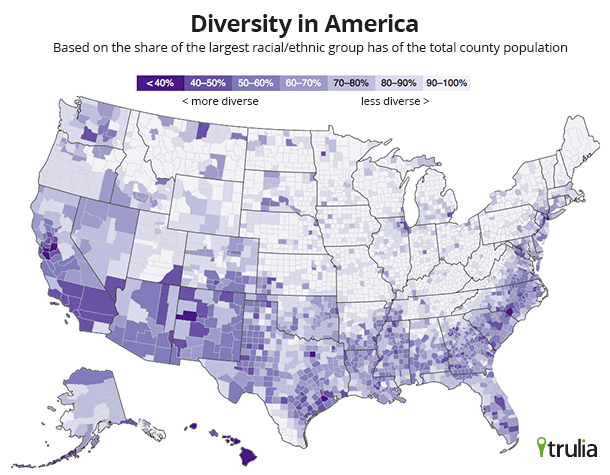
Ethnic diversity here and US

Real-estate data company Trulia has an article on their blog about ethnic diversity in the US, which they measure by the proportion of the population in the largest ethnic group (so low proportions mean more diversity).  Here’s their national map (they also have maps of some cities)

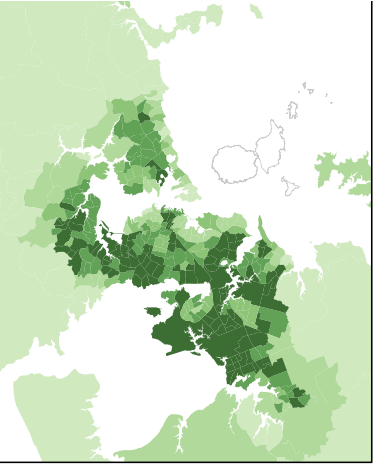
Stats New Zealand have also released maps, though just for Auckland.  Their index of ethnic diversity is 100% minus Trulia’s index, so they are equivalent, though the NZ color scheme is darker in the mid-range than the US one.  The 2006 map of Auckland looks like

It would be interesting to do this for the whole of NZ using the Census meshblock dataset, but I don’t have time right now.  The Auckland map makes the point I made a few weeks ago about modern NZ having more, and more varied, immigration than most people outside the country realise.


November 11, 2012

Point A to Point B

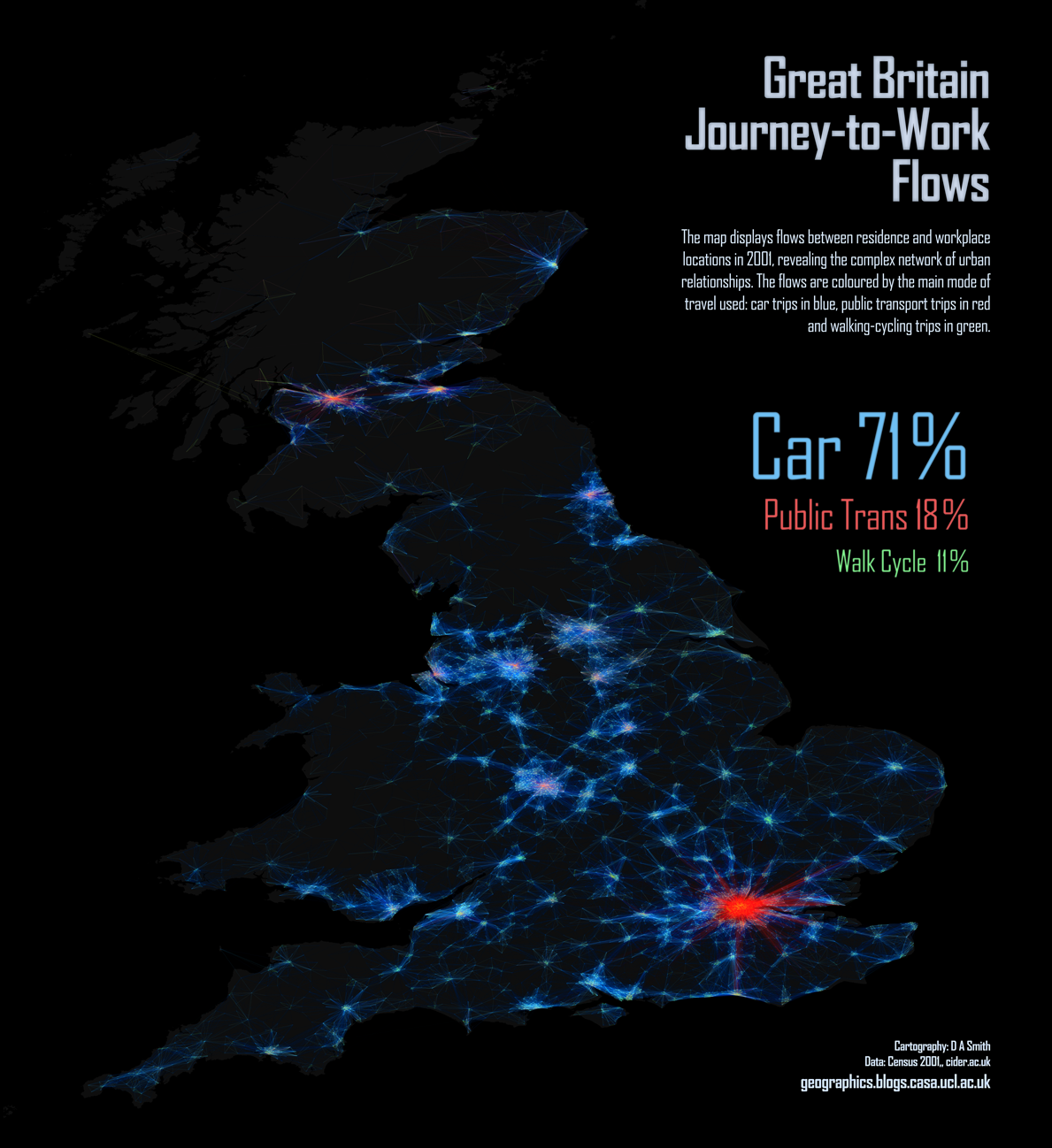
From the Mapping London blog, a picture of commuter flows in Great Britain. The difference in public transport use between London and the other cities is dramatic.  They have lots of other maps, including one of language use in London based on Twitter messages.  That would be interesting to do for NZ cities.

November 6, 2012

What do people do all day?

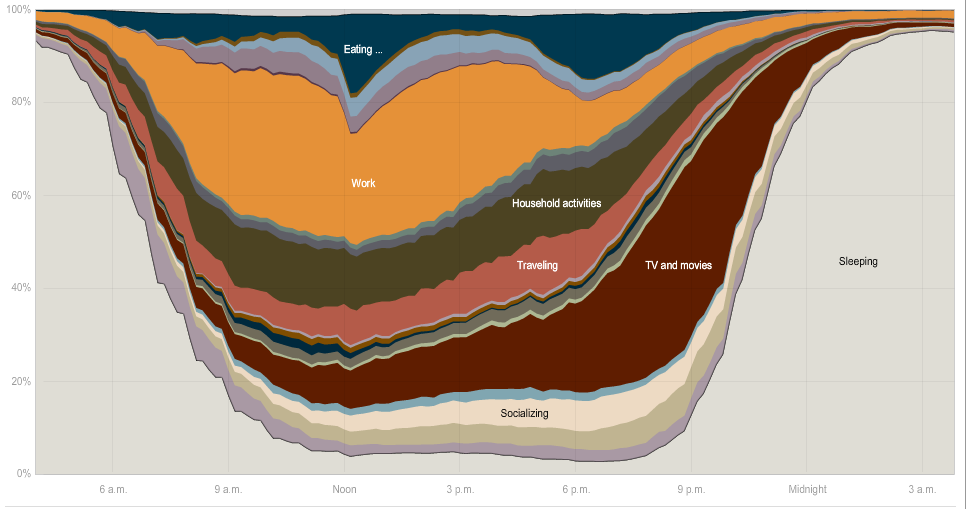
An interactive graphic from the New York Times, using data from the American Time Use Survey, where a representative sample of people is phoned up and asked what they did the previous day.

Compare the NY Times graphic to the charts produced by the Bureau of Labor Statistics, which are much less fun to explore, but do present some useful comparisons in simple formats.

November 4, 2012

More Hurricane Sandy scale

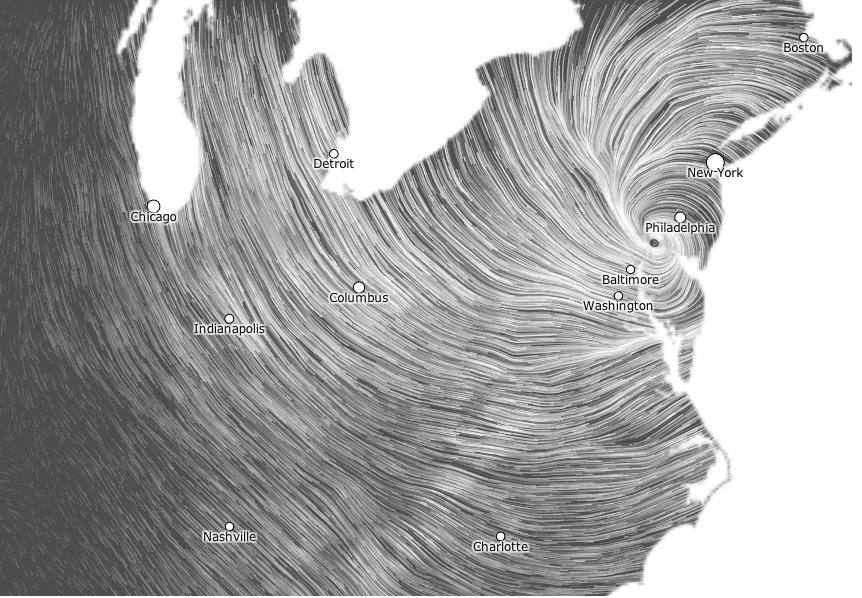
This wind map (click to embiggen) is from hint.fm, who we’ve linked to before.  It shows the national short-term forecast wind grid, just after Sandy crossed the coast.  For scale, the distance between Boston (top right) and Charlotte (bottom) is almost exactly the distance between Auckland and Invercargill

October 16, 2012

Magical transformations of pumpkin

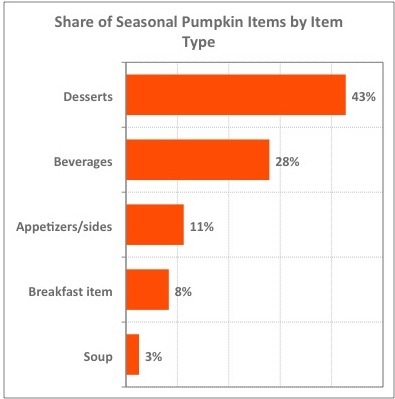
Today’s graph is almost entirely frivolous.  It’s pumpkin season in the US (Halloween and Thankgiving), and Felix Salmon (a past winner of the American Statistical Association’s award for excellence in statistical reporting) is writing about how pumpkin has diversified.

‘Pumpkin,’ in this context, usually means the combination of sugar, cinnamon, cloves, and nutmeg that makes pumpkin pie palatable.  The vegetable itself doesn’t really make an appearance.

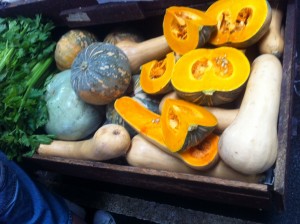
On the continuing issue of how survey responses are sensitive to exact wording, it’s also worth pointing out that the Americans have a much narrower view of which vegetables qualify as pumpkins — they have to be round and orange on the outside.   These, which I photographed last year in Melbourne, would not count as pumpkins in the US.

October 11, 2012

Make your own data maps

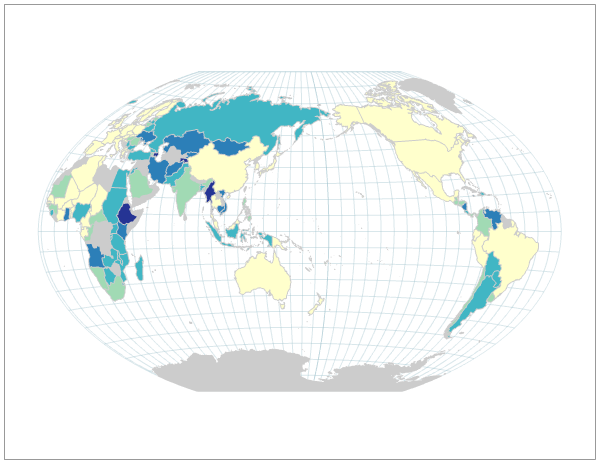
Indiemapper is a web-based tool for creating maps for data visualisation, based on your data or their built-in files. Here’s an example, showing cumulative inflation 2001-2008

It knows about projections, sensible colour schemes, and ways of representing information on maps.  It’s a bit slow, since it has to run in your browser, but it’s well worth trying

October 9, 2012

Pie charts with 110% awfulness

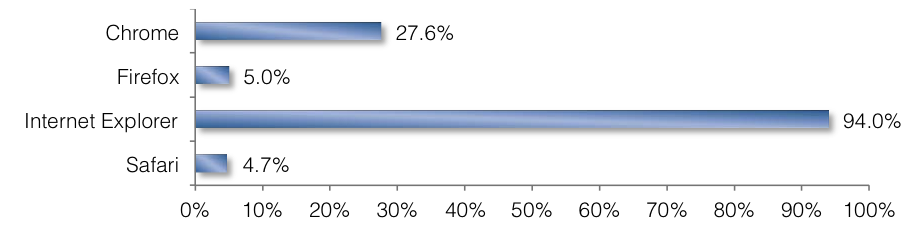
Pie charts, as you may have noticed, are not very popular among statisticians, despite the best efforts of the world’s most popular statistics package.  Pie charts with fake 3D are much worse, since the 3-D effects make it harder to see the numbers they can be actively misleading.  But the worst form of pie chart must be the one that gives up on the ‘pie’ metaphor and shows numbers that aren’t even shares of a total.

Stat-of-the-Week nominator Mark points us to this example:

from an otherwise-reasonable post at TechRepublic, on malware-blocking by internet browsers (though it could have done with some consideration of false positives and absolute risk).

The numbers are taken from a report by a professional security lab, but the graphic design is new and original. The report had an inoffensive bar chart, which makes the point much more clearly


October 5, 2012

Colour choice by people

Two more colour links for your weekend:

  • the XKCD colour survey has colour names based on more than 200,000 user sessions and five million submitted names. (this is barney purple and this is mahogany)
  • Crowdflower has a multilingual version, though with a much smaller sample size (via)

Colour choice for computers

There are lots of resources for colour choice out there, my favorite being ColorBrewer .

Here’s an interesting article about algorithms for choosing sets of colours, for when you want clear and attractive colours, but you don’t want the same ones each time. (via)